
 Sanjay Humania
সুজলা সুফলা শস্য শ্যামলা বাংলার উত্তর ২৪ পরগনার গাইঘাটা থানার অন্তর্গত চড়ুইগাছি গ্রাম—স্বপ্নের মতো নিসর্গে ভরা এক শান্ত গ্রাম। কিন্তু ১৯৮৩ সালের ১২ই এপ্রিল (২৮শে চৈত্র ১৩৮৯), মঙ্গলবার সন্ধ্যায় এই অঞ্চলে নেমে এসেছিল এক ভয়াবহ প্রাকৃতিক দুর্যোগ। মাত্র কয়েক মিনিটের মধ্যে এক শক্তিশালী টর্নেডো গ্রামজীবনের স্বাভাবিক ছন্দকে ভেঙে দিয়ে চারদিকে ছড়িয়ে দেয় ধ্বংসস্তূপ, আতঙ্ক এবং শোকের ছায়া। ইতিহাসে এই ঘটনাটি “Gaighata Tornado of 12 April 1983” বা সাধারণভাবে গাইঘাটা টর্নেডো নামে পরিচিত।
সংবাদপত্রের প্রতিবেদন
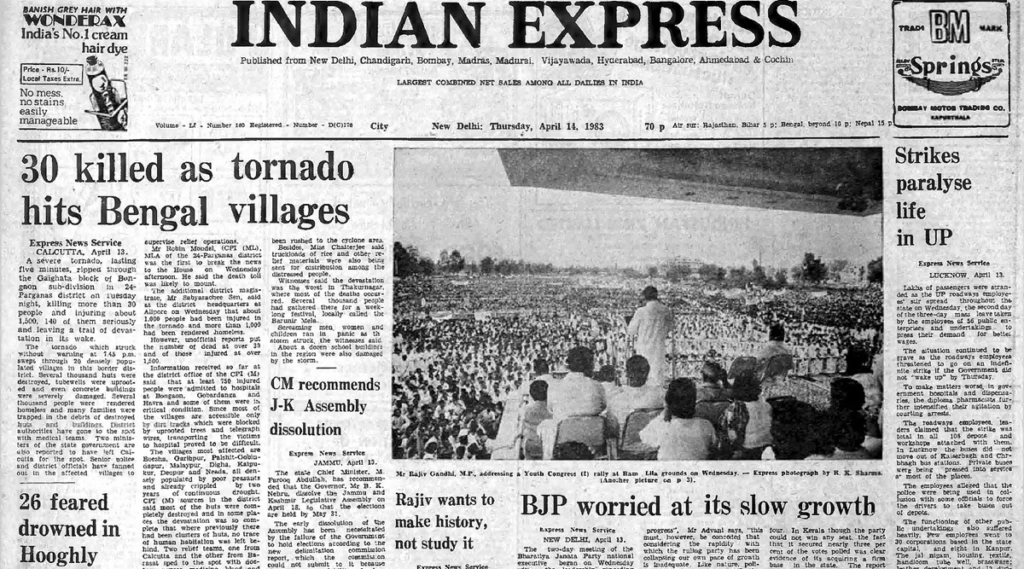
সেই সময় প্রকাশিত সংবাদপত্রের রিপোর্ট অনুযায়ী, বনগাঁ মহকুমার গাইঘাটা ব্লকের প্রায় ২০টি ঘনবসতিপূর্ণ গ্রাম এই টর্নেডোর তাণ্ডবে বিধ্বস্ত হয়। ঝড়টি সন্ধ্যা প্রায় ৭টা ৪৫ মিনিট নাগাদ আচমকা আঘাত হানে এবং প্রায় পাঁচ মিনিট স্থায়ী হয়।
এই স্বল্প সময়েই শত শত কাঁচা ঘর ভেঙে পড়ে, বহু পাকা বাড়ি মারাত্মকভাবে ক্ষতিগ্রস্ত হয়। অসংখ্য গাছ উপড়ে যায়, টিউবওয়েল মাটি থেকে উঠে আসে এবং বিদ্যুৎ ও টেলিগ্রাফ লাইনের তার ছিঁড়ে পড়ে যোগাযোগ ব্যবস্থা সম্পূর্ণ বিপর্যস্ত হয়ে পড়ে। হাজার হাজার মানুষ গৃহহীন হয়ে পড়েন।
সংবাদ অনুযায়ী, এই দুর্যোগে ৩০ জনেরও বেশি মানুষের মৃত্যু হয় এবং প্রায় ১,৫০০ জন আহত হন, যাদের মধ্যে অনেকেই গুরুতরভাবে আহত ছিলেন। আহতদের বনগাঁ, গোবরডাঙ্গা ও হাবড়া হাসপাতালগুলিতে ভর্তি করা হয়। তবে উপড়ে পড়া গাছ ও ছিঁড়ে পড়া তারের কারণে দুর্গত গ্রামগুলোতে পৌঁছানো এবং আহতদের হাসপাতালে নিয়ে যাওয়া ছিল অত্যন্ত কঠিন।
স্থানীয় সূত্রে জানা যায়, বহু জায়গায় ধ্বংস এতটাই ভয়াবহ ছিল যে মানুষদের খোলা মাঠে আশ্রয় নিতে হয়। প্রশাসন দ্রুত ত্রাণ ও উদ্ধারকাজ শুরু করে এবং চিকিৎসা দল ও সরকারি কর্মকর্তারা দুর্গত এলাকায় পৌঁছে ত্রাণ কার্য তদারকি করেন।
ঘূর্ণিঝড় নামের উৎস
বাংলায় আমরা যাকে “ঘূর্ণিঝড়” বলি, বিজ্ঞানীরা একে বলেন ট্রপিক্যাল সাইক্লোন। ‘Cyclone’ শব্দটির উৎস গ্রিক শব্দ Kyklos, যার অর্থ বৃত্ত বা চাকা। প্রকৃতির এই চক্রাকার ঘূর্ণি পৃথিবীর নানা স্থানে বহুবার ধ্বংস ডেকে এনেছে, তবে গাইঘাটার এই ঘটনা আজও স্থানীয় মানুষের মনে গভীর দাগ কেটে আছে।
সরকারি ও গবেষণালব্ধ দলিল
এই ঘটনার উল্লেখ সরকারি ও গবেষণালব্ধ বিভিন্ন নথিতেও পাওয়া যায়। উত্তর ২৪ পরগনা জেলার সরকারি ওয়েবসাইটে এটিকে উল্লেখ করা হয়েছে “1983 Tornado at Gaighata Development Block” নামে।
সরকারি হিসেবে এই দুর্যোগে ২৮-৩০ জন নিহত এবং ৫০০-এর বেশি মানুষ আহত হয়েছিলেন বলে উল্লেখ রয়েছে। তবে স্থানীয় বাসিন্দাদের মতে প্রকৃত হতাহতের সংখ্যা আরও বেশি ছিল।
বিজ্ঞানী Anupam Saha, B. K. De এবং S. K. Sarkar তাদের গবেষণাপত্র “Spectral Characteristics of the Gaighata Tornado of 12 Apr. 1983” (June 1984, CSIR-NISCAIR)-এ এই টর্নেডোর বৈজ্ঞানিক বিশ্লেষণ প্রকাশ করেন। লেখক S. C. Bhattacharya-ও তার বই Land and People of Indian States and Union Territories-এ সংক্ষেপে এই ঘটনার উল্লেখ করেছেন।
১২ এপ্রিল ১৯৮৩: চোখে দেখা কাহিনি
প্রত্যক্ষদর্শীদের বর্ণনায় জানা যায়, হঠাৎ করেই আকাশ অন্ধকার হয়ে আসে এবং এক ভয়ঙ্কর শোঁ-শোঁ শব্দে চারদিক কেঁপে ওঠে। গ্রামের মানুষের ভাষায়—মনে হচ্ছিল যেন আকাশ ফেটে পড়ছে। মুহূর্তের মধ্যেই গ্রামের বড় অংশ ধ্বংসস্তূপে পরিণত হয়।
গ্রামের প্রবীণদের মুখে এখনো সেই দিনের বহু অবিশ্বাস্য ঘটনার কথা শোনা যায়—
- নারকেল গাছে ধান ঝাড়ার কুলো তীরের মতো বিদ্ধ হয়ে ছিল।
- পুকুরের জল ও মাছ বাতাসে উড়ে আশপাশের শুকনো জমিতে ছিটকে পড়েছিল।
- ধানের গোলা উড়ে অন্য গ্রামে গিয়ে পড়েছিল এবং ধান চারদিকে ছড়িয়ে গিয়েছিল।
- কাঁচা ঘরের মাটির দেয়ালের নিচে চাপা পড়া মৃতদেহের পাশে পড়ে ছিল ভাত খাওয়ার থালা।
- টালির চাল, ঘরের আসবাবপত্র এবং বিশাল বড় বড় গাছ চারদিকে ভেঙে পড়েছিল।
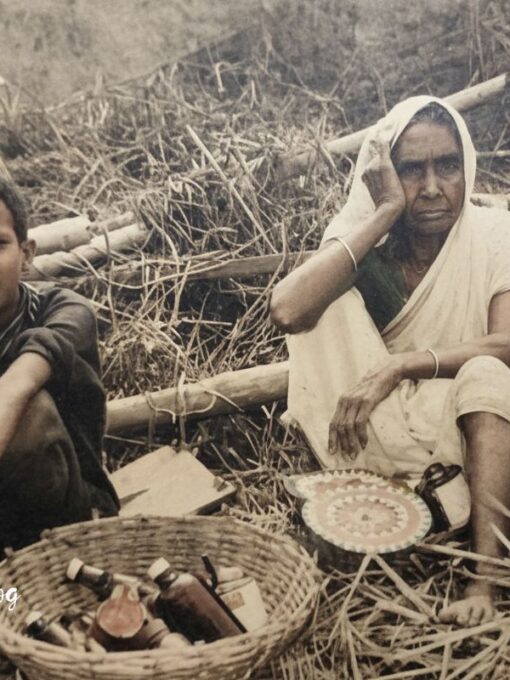
সেই সময় মোবাইল ফোন বা সামাজিক মাধ্যম না থাকায় এই ভয়াবহ ঘটনার খুব বেশি ছবি বা ভিডিও সংরক্ষিত নেই। তাই স্থানীয় মানুষের স্মৃতি ও সংবাদপত্রের রিপোর্টই আজ এই ইতিহাসের প্রধান সাক্ষ্য।
প্রভাব ও বিস্তৃতি
গাইঘাটা টর্নেডো শুধু একটি গ্রাম নয়, পুরো অঞ্চলের মানুষের জীবনকেই গভীরভাবে প্রভাবিত করেছিল। বহু পরিবার প্রিয়জনকে হারায়, অনেকেই গুরুতর আঘাত নিয়ে দীর্ঘদিন চিকিৎসা করান। সীমিত সরকারি সাহায্য ও কয়েকটি সংবাদপত্রের প্রতিবেদনের মাধ্যমেই এই ঘটনার তথ্য আজ আমাদের কাছে পৌঁছেছে।
আজকের পাঠ ও প্রাসঙ্গিকতা
আজকের দিনে উন্নত আবহাওয়া পূর্বাভাস ব্যবস্থা, সতর্কবার্তা এবং দ্রুত সংবাদ প্রচারের ফলে প্রাকৃতিক দুর্যোগের ক্ষয়ক্ষতি অনেকটাই কমানো সম্ভব হচ্ছে। কিন্তু ১৯৮৩ সালের গাইঘাটা টর্নেডো আমাদের মনে করিয়ে দেয়—প্রকৃতির শক্তির সামনে মানুষ কতটা অসহায় হতে পারে।
একইসঙ্গে এই ঘটনাটি আরেকটি সত্যও তুলে ধরে—বিপর্যয়ের পরেও মানুষের সাহস, ধৈর্য এবং পুনর্গঠনের ইচ্ছা কখনো হারিয়ে যায় না। ধ্বংসস্তূপের মাঝেও মানুষ আবার নতুন করে জীবন গড়ে তোলে।
30 Killed as Tornado Devastates Villages in West Bengal
Express News Service
Calcutta, April 13
A powerful tornado struck the Gaighata block in the Bongaon subdivision of North 24-Parganas district on Tuesday evening, leaving widespread destruction and claiming more than 30 lives. The storm, which lasted barely five minutes, injured around 1,500 people, many of them seriously, and caused massive damage across several villages.
The tornado hit the area suddenly at about 7:45 p.m., tearing through nearly 20 densely populated villages near the border. In its path, hundreds of mud houses were flattened and many brick structures were badly damaged. Trees were uprooted, tubewells were ripped out of the ground, and electric as well as telegraph lines were snapped, disrupting communication throughout the region.
Thousands of residents were left homeless as entire settlements were reduced to debris. Many families were trapped under collapsed huts and buildings, while others spent the night in open fields after losing everything they owned.
District authorities quickly launched rescue and relief operations. Medical teams were dispatched to the affected villages, and senior police and administrative officials reached the area to supervise emergency measures. Two ministers from the state government also left Calcutta to visit the disaster-hit region.
The devastation was first reported in the West Bengal Assembly on Wednesday afternoon by local MLA Robin Mondal of the Communist Party of India (Marxist) (CPI-M). He warned that the extent of damage and casualties could rise as more information came in from remote villages.
According to the district magistrate of 24-Parganas, many of the injured were admitted to hospitals in Bongaon, Gobardanga and Habra, with several reported to be in critical condition. Transporting victims proved difficult because rural roads were blocked by uprooted trees and fallen wires.
The worst-affected villages included Boresha, Garibpur, Paltit-Gobindapur, Digha, Kalupur, Deypara and Nehata—areas largely inhabited by poor farmers and refugee families who had settled there decades earlier.
Local sources said the destruction was so extensive in some places that survivors had no choice but to take shelter in open fields. Relief teams rushed food, medical supplies and other essential materials to the devastated communities.
Witnesses reported that the situation was particularly tragic around the Thakurnagar area, where many people had gathered for a week-long religious fair known as the Baruni Mela. When the storm suddenly struck, panic spread as strong winds tore roofs from houses and flung debris through the air.
Residents described scenes of chaos as men, women and children ran for safety while the tornado swept across the villages. Several school buildings were also damaged during the storm.
Authorities feared that the number of casualties and the scale of destruction might increase as rescue teams continued to reach remote areas affected by the disaster.
আপনার কাছে যদি এই ঘটনাটির আরও কোনো তথ্য, ছবি বা দলিল সংগ্রহে থাকে, আমাদের সঙ্গে শেয়ার করুন। লিখুন কমেন্টে অথবা যোগাযোগ করুন ইমেইলে: sanjay.humania@gmail.com
Information source:
- north24parganas.gov.in
- Gaighata Tornado of 12 Apr. 1983
- Land and People of Indian States and Union Territories
এই ছবিগুল আমি সংগ্রহ করেছি রামিজ হুমানিয়া ও সালেক মুফতি এর কাছ থেকে, দুজনের কাছে আমি কৃতজ্ঞ।
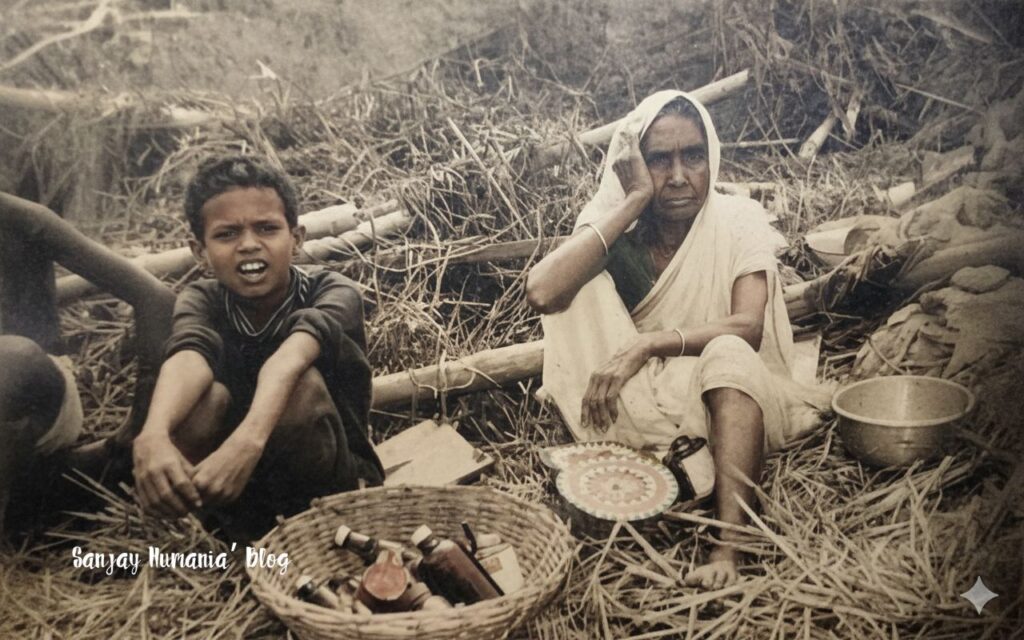
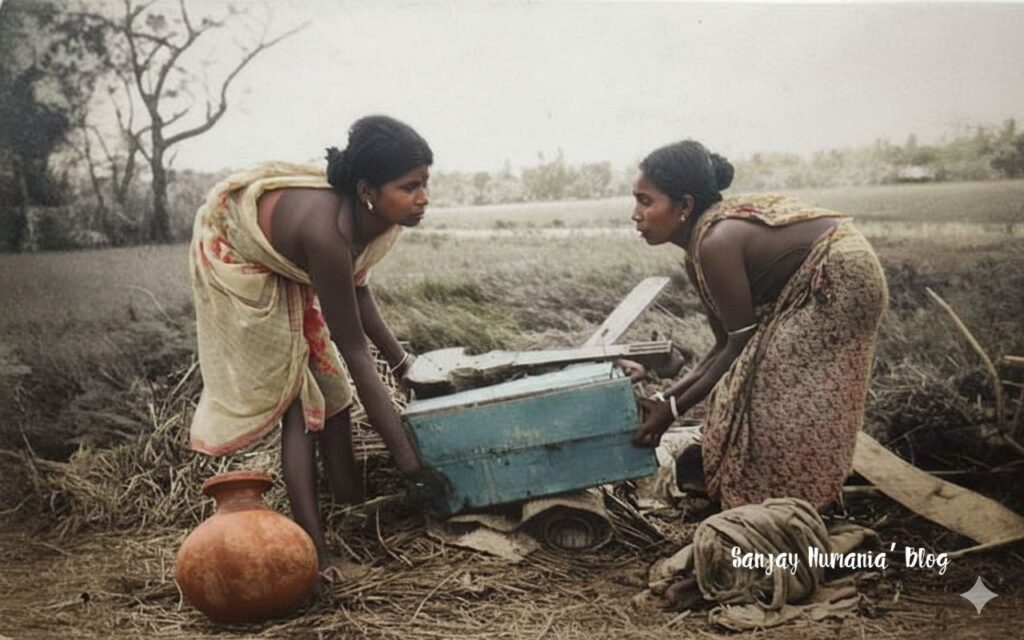
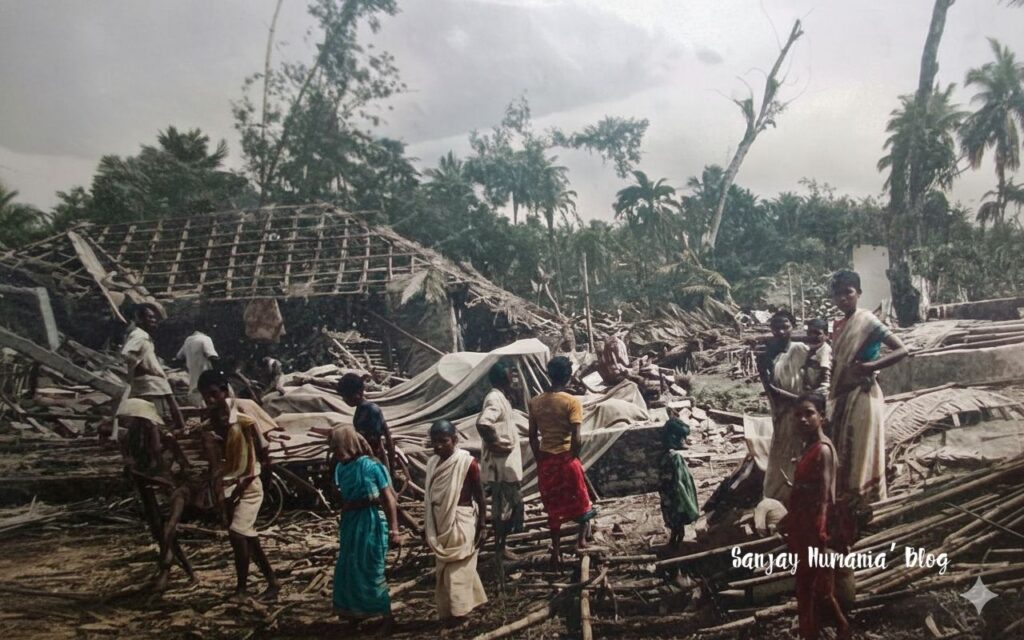
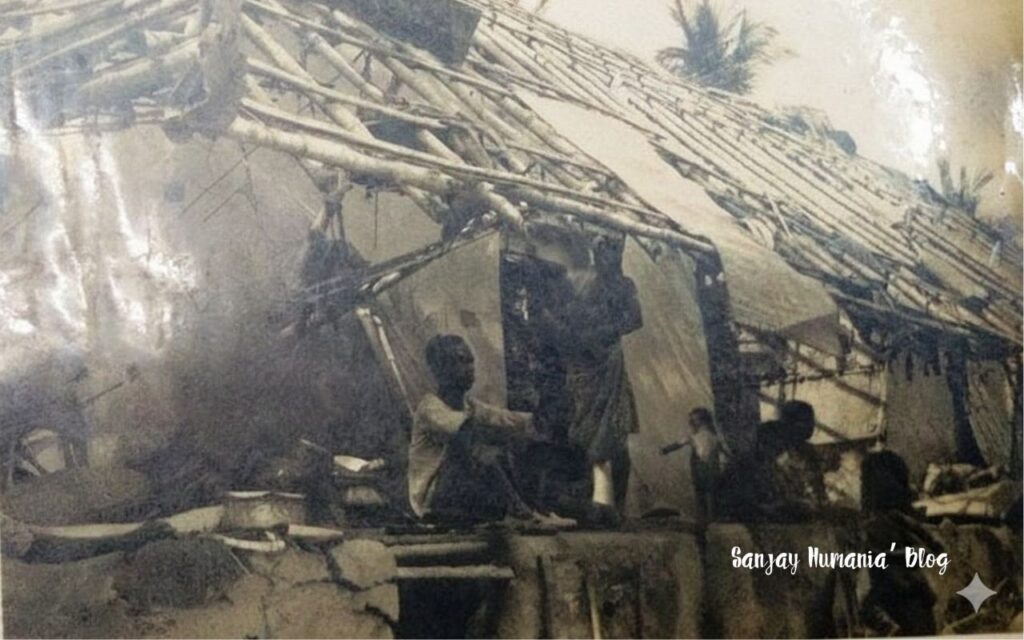
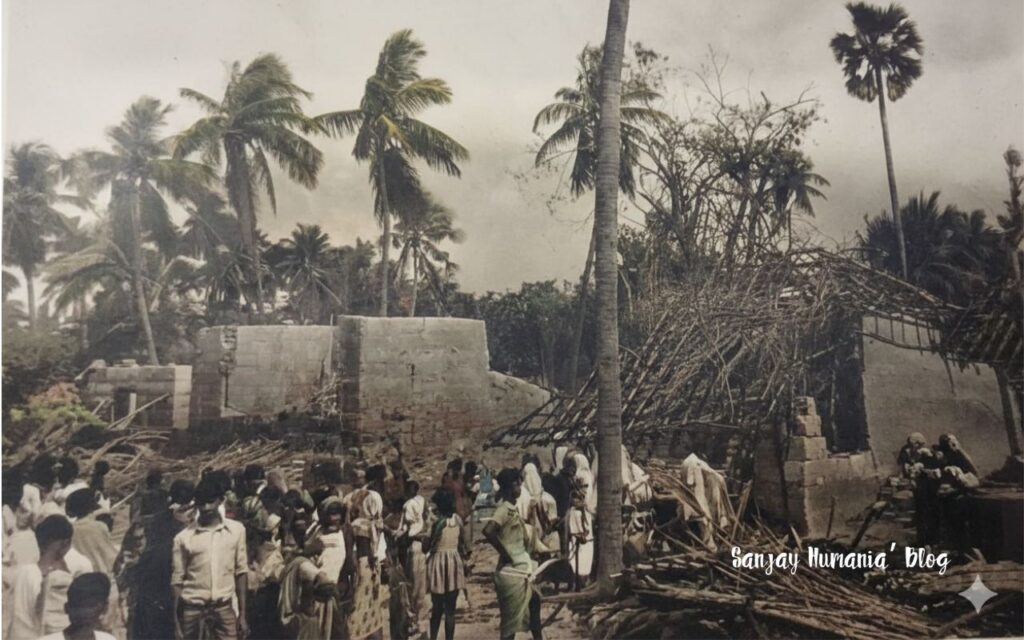
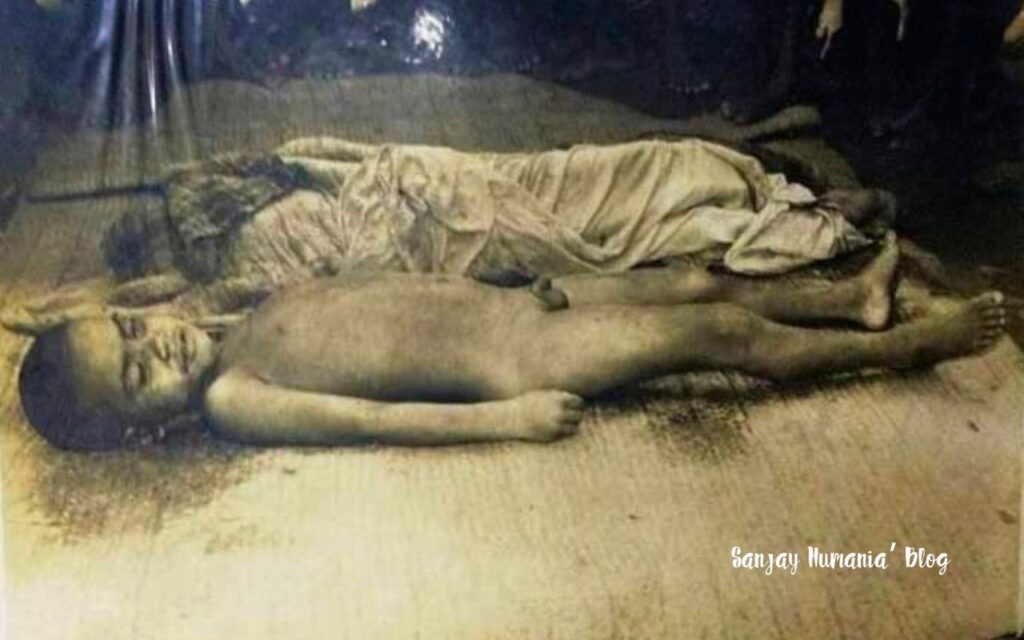
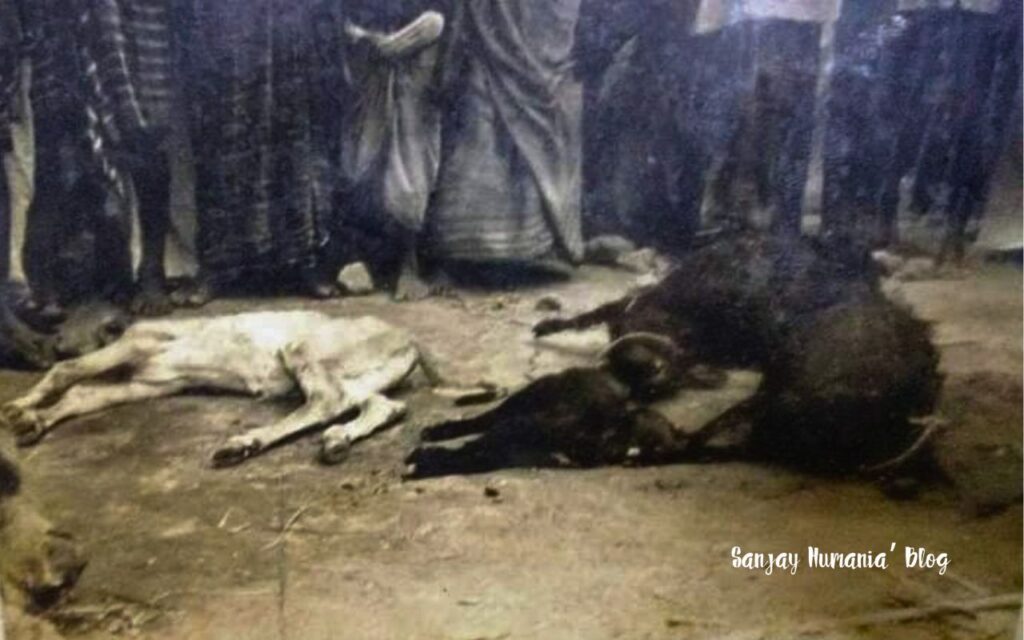
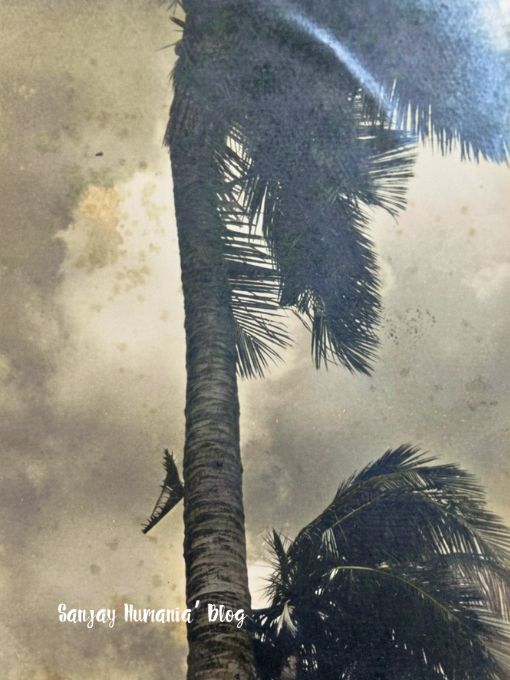
Last image is regenerate with realastic hd colour using AI

 যেখানে পিঠে ছিল উৎসব, সিঙ্গারা ছিল স্বপ্ন
  শামুকের মুক্তি
  অভিমানী বাবী
  বৃষ্টির দিনে সেই প্রথম
  ফেসবুকের অভিনন্দন পত্র
  এক মুঠো অচেনা মানুষ
  শর্টকার্ট